
by HOCAFF Team | Sep 28, 2020 | General
A relaxed and spooky date is coming, ideal for those who love to dress up as monsters and ghosts, but what if this time you dress up your home table and prepare a delicious and spooky meal with fine ingredients? Yes, people, Halloween is here.
We know that you may not be ready for Halloween, but it is time for you to prepare for this grand occasion.
Halloween is the best fall party, entertaining, colorful, and of course, spooky. BUA HAHA! And of course, adults also take advantage of this occasion to celebrate and why not? Prepare a spectacular table worthy of this occasion.
Preparing food at home is one of Halloween attractions, how to decorate the table and plates to reflect this carnival of colors and flavors.
We selected for you some recipes on how to incorporate products such as caviar or foie gras in your celebratory dishes on the eve of Halloween.
So let’s start with the recipes:
1.Halloween caviar cookies:

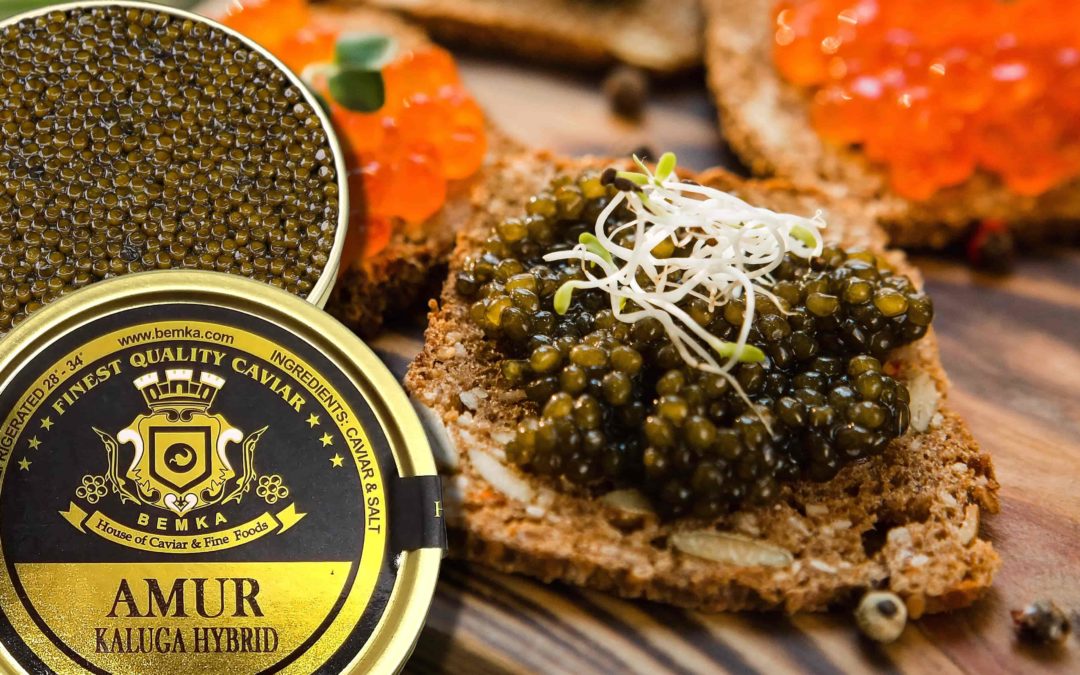
It sounds complicated. However, it is straightforward to prepare.These tortilla chips are the perfect complement to our fresh roe, and the best thing is that they decorate the plate very well. Don’t worry, you don’t have to mix a single ingredient or spend a lot of time preparing it.
You can substitute the roe for any caviar you want. You can use any cookie cutter with figures of ghosts, monsters, or any dummy for Halloween.
Ingredients and supplies:
-
- 2oz Royal Ossetra Caviar.
- 2 oz Salmon roe
- Tortillas
- Melted butter
- Crème Fraiche
- Halloween cookie molds
Buy some of these ingredients in Bemka House Of Caviar.

Preparation:
1.Preheat your oven to 350 degrees and convection bake.
2.Cut the tortillas the number of times you need to complete your meal.
3.Use the melted butter to lightly coat the tortillas.
4.Cook for 5-10 minutes or until golden brown.
5.Once the tortillas have cooled, add a tablespoon of crème Fraiche and carefully place a tablespoon of caviar on top.
Enjoy!
For the second recipe that we will give you today, we will mention the great chef Andre Daguin, a formula that he made famous.
- Foie Gras in a Pumpkin

The most important thing to know is that it must not be exposed during cooking for the flavors to remain in the terrine.
When the pumpkin is wrapped in foil, it is airtight, and no external flavor can mix with the liver. Once the foie gras is consumed, use the cooked pumpkin pulp to make the delicious soup.
Ingredients
- 1 A Fresh Duck Foie Gras, about 1 1/2 lbs, at room temperature, cleaned & deveined. Buy foie gras in Bemka.
- 1 1/2 teaspoons salt
- Freshly ground white pepper
- 1 pumpkin, 3 to 4 lbs, top, seeds,and membranes carefully removed
- 1 cup Banyuls or Tawny Port
Preparation
- Preheat the oven to 275 degrees F.
- Cover a baking sheet with wrinkled aluminum foil so the pumpkin will rest securely flat on it. Place the pumpkin on the foil.
- Season foie gras with salt and pepper. Pour wine into a pumpkin shell and sprinkle with salt and pepper. Place foie gras in pumpkin, the large lobe underneath the smaller lobe. Cover with the pumpkin top, and wrap pumpkin securely in aluminum foil. Bake until the internal temperature of the liver reaches 120 degrees F, about 2 hours. Remove pumpkin from the oven, discard foil, and cool to room temperature. Refrigerate overnight.
- Remove pumpkin from the refrigerator 30 minutes before serving. Serve at the table, using a hot spoon to scoop out foie gras.
- Serve with slices of crusty French bread.
Another recipe that you can prepare for Halloween is Pumpkin Smoked Salmon Sandwiches. They are an excellent option to give it a spooky touch and attract the children’s attention in your home.

You just need to put your creativity to flight. In a matter of minutes, you will have these spectacular sandwiches ready.
If you want to know how to prepare them, we invite you to go to the following link: Halloween!
To finish with the recipes, what if you make one? Meathead with our Iberico ham or one of our Spanish meat.

Prepare this delicious and spooky meal by clicking here.
We invite you to buy the Iberico ham or the smoked salmon online at Bemka House Of Caviar. We are your best ally on all select dates!
by HOCAFF Team | Sep 21, 2020 | General
You are a foodie that’s splashed out on an exceptionally luxurious treat you have already tasted, and you felt its unique and incomparable flavor. Now, you want to know much more about this delicacy. You have come to this blog to find out what caviar is accompanied by to make an exquisite dish and garnish it. Are you ready to find out? What are you waiting to read more in this new blog post?
Caviar is something that should be savored and made the most of. There are tins sold at all price points, containing different varieties, grades, and caviar sizes. Still, with such a revered product, it’s essential to know how to serve it and what to do with it, so you can enjoy it at its best. And while it may sound counter-intuitive, sometimes serving other foods alongside the delicate eggs can help bring out their favorite flavor.
That is why today, we will talk about how to accompany caviar and how to serve it. Welcome to the world of caviar
What do you eat with caviar?
As a very general rule of thumb, you should serve fewer side dishes as your caviar’s quality increases. The finest, most expensive caviar should only be eaten on its own. Still, if you are serving more affordable eggs at an event, other side dishes can enhance its flavor.

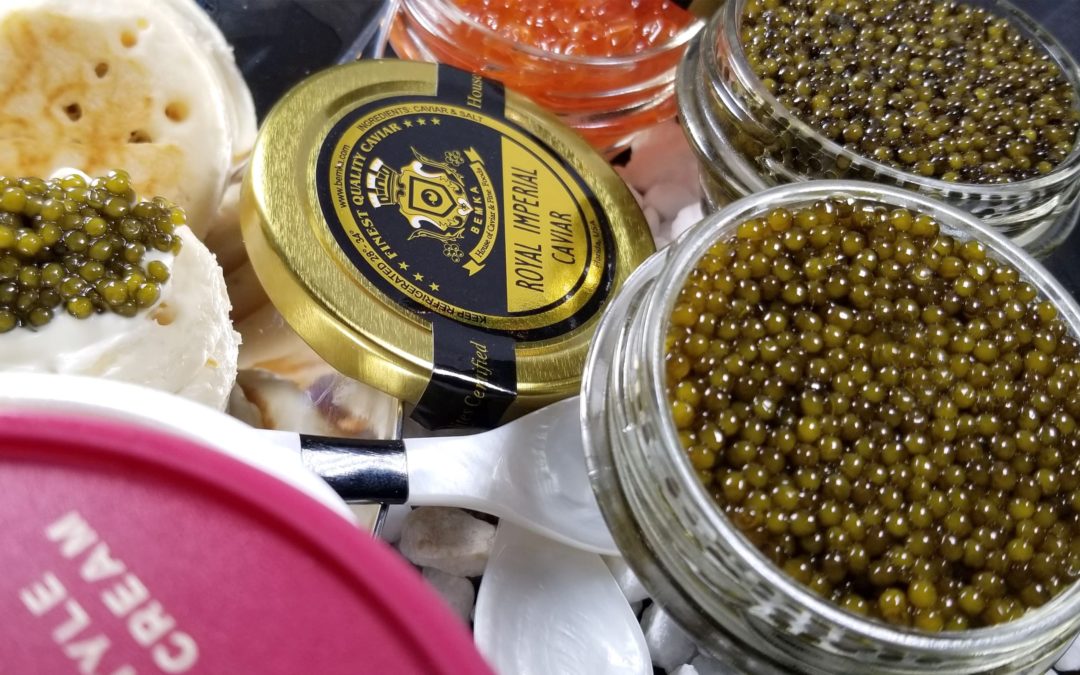
Traditionally, caviar is served on top of blinis, which are mini Russian pancakes made from buckwheat.The blinis act as an edible dish that has a discreet flavor. In this way, they are perfect for serving caviar as a canapé.
Another way is to serve it with crackers or crusty pieces of bread that add a nice crunch and allow the caviar flavor to pop.
They can also be served with lightly buttered bread or simple boiled potatoes; this increases the caviar’s flavor.
Other flavors that go well with caviar include chicken or quail eggs, raw onion, and creme fraiche. You can make the eggs and finely chop the onion, then use it to coat the blinis with caviar and a small dollop of creme fraiche.

For its part, lemon does not work with caviar; the lemon juice is too overwhelming and clashes with caviar’s mineral flavor. It is also not fair to add salt or any other seasoning to caviar; it has a natural salty taste.
The smooth, creamy flavors work very well with caviar, which is why egg, creme fraiche, and blinis make a great side dish.
Besides, caviar is perfect for covering hot dishes such as pasta (a ravioli is a good option), risotto soups, and even sauces. Caviar cannot be cooked as its texture and flavor are destroyed. However, it can be served on an already cooked dish. Cheaper caviar-like colorful salmon roe and tobiko roe allow you to get creative without spending a fortune and are especially suitable for homemade sushi or as a side dish.

It is important to note that many chefs make lovely dishes with caviar. For example, Simon Hulstone serves him with a roll of scallops and prawns with a cauliflower puree. At the same time, Marcus Wareing prepares a luxurious starter of Burrata salad, peas, grapefruit, caviar, and leeks. Many Chef Hideki Hiwatashi’s recipes use caviar as a garnish on raw fish dishes. At the same time, Kevin Mangeolles combines caviar with vegetables and dairy like organic carrots cooked in goat serum.
How to serve Caviar?

The most important rule is never to put metal utensils near the eggs; the metallic taste seriously affects the pure and salty taste of caviar. It will destroy the palate’s subtleties, which is why the metal cans that caviar comes in are lined with plastic to take care of their taste. It is better to use a special caviar spoon, made of bone, plastic, or Mother of pearl.
Caviar should also be served cold, so it is best to keep it refrigerated and decant it into a cold container, preferably filled over ice. You will feel its refreshing flavors, which almost clean the palate, and will make you enjoy your precious delicacy in the best way.

Do not spread or crush the caviar; you will break the eggs’ delicate skin and destroy the texture. One of the highlights of tasting caviar is letting each egg roll onto your palate. And then pop when you bite into it, so use the spoon carefully when serving caviar.
True caviar gourmets believe that the best way to eat and serve fish eggs is without additives, just caviar, and that’s it. They think that only then nothing can prevent you from feeling this highly appreciated flavor.
Now, having all the necessary information to serve this delicacy, you can buy a delicious jar of caviar at the House of Caviar. Do not forget to present the caviar properly to your guests and enjoy a delicious meal.
by HOCAFF Team | Sep 9, 2020 | General
Have you heard of many caviar types, and you don’t know which one to choose for a meal or special occasion? If you read this blog post, we guarantee that you will know which one to try and which dishes to include it in after this.
How to choose caviar? We know you’ve come this far to find out. This delicious delicacy should be selected according to the size of the grains, color, texture, and flavor.Each species develops its characteristics. Each species of caviar follows a maturation and a selection that gives it a unique aroma. That is why each caviar box is unique, just as we know that the opportunity to try it does not come every day. This blog post will talk about some caviar types and what dishes to include it in.

The first type of caviar we want to talk to you about is Paddlefish caviar. This caviar has medium-sized grains with dark to light gray eggs. It is derived from the Polyodon Spathula fish, which is not a species of sturgeon.
The paddlefish is considered a Caspian Sevruga cousin, as it is comparable in taste, color, and size to that of the Caspian Sevruga caviar. Paddlefish are very popular with chefs and Epicureans. It is usually served on canapes or blinis with fresh cream, or even as a garnish.
If you want to include this delicacy in a canape for an impressive entry, we will tell you how:
We can present the caviar on a crunchy whole-wheat toast or puff pastry spread with butter or Crème fraîche to emphasize simplicity and give importance to the caviar. We can opt for more elaborate variations accompanying the caviar with salmon or smoked cod, avocado, hummus, prawns, or crab mince.
Now let’s continue with tobiko black caviar; what is this? This colorful little caviar comes from flying fish roe. You’ll usually find it festively decorating your sushi, maki and nigiri. Although the right color of tobiko caviar is bright orange, this black Tobiko has been naturally dyed with squid ink to give it a spectacular appearance. Use it to roll authentic sushi at home or to decorate appetizers and hors d’oeuvres.
You can use the Tobiko to taste fabulous meals at home for special occasions, such as homemade sushi or a creamy omelet.

Suppose you are going to prepare the tortilla with Tobiko. In that case, we want to tell you that it is a beautiful and delicious recipe for you to offer to your friends. The formula is an omelet, with onion, fish roe, and sauce and seasonings – ideal for an excellent breakfast!

To finish, we want to tell you about caviar that you should undoubtedly choose for any special event, Royal Imperial Kaluga. This golden caviar, of the Acipenser Dauricus and Acipenser Schrenckii species, is raised on a farm on China’s Qiandao Lake. Our Royal Imperial, with its giant eggs, is light brown to golden in color and has a firm texture with a creamy, buttery finish. What are you waiting to try?
We give you a tip before we leave so that you can prepare an exquisite dish for that brunch you want so much:

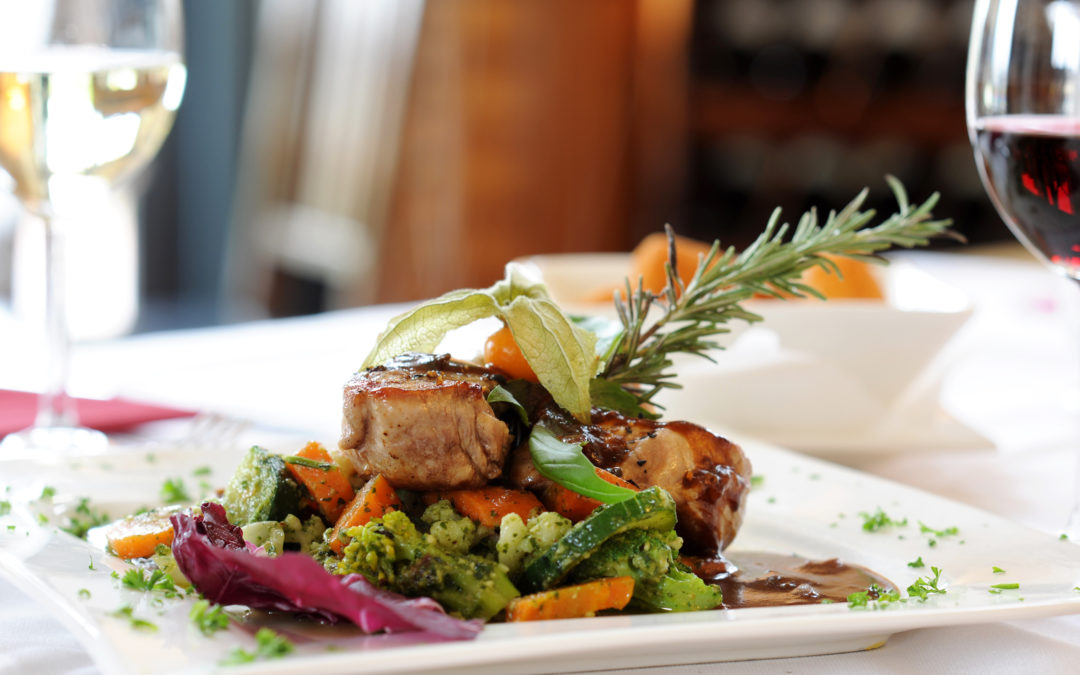
Any meat will serve to include caviar on the plate. We can use red or white meat, although, with this accompaniment, we recommend opting for the first option: beef, pork, veal, ox.Once we have chosen the dish’s base raw material, we only have to cook a sauce or side consisting of caviar to complete the recipe. Any ideas:
1 .beef chop with red fruit sauce and caviar
With the cutlet cooked on the grill traditionally, we create a sweet accompaniment with red fruit sauce and caviar roe placed on top.
2.Pork tenderloin stuffed with boletus and caviar
Before cooking the sirloin, it is filled with boletus, caviar or any other product that we want to include in the recipe. Once it is ready, it is closed and rolled so that it is well attached with a kitchen string. Ready, baked, and at the table.
We hope that everything we tell you in this blog helps you know what type of caviar to choose for a special occasion and what sumptuous dishes you can prepare from home or order in a restaurant.
If you want to know more about the world of caviar, we invite you to visit our House of Caviar page; we believe that you will love everything we have there for you.
by HOCAFF Team | Aug 21, 2020 | General
Many connoisseurs of food will do whatever it takes to get their hands on the most exotic, delicious, and extravagant dishes, even if it means paying a small fortune. Some of the most luxurious meals are divine creations of the best chefs. Other foods are on the list only because of their rarity and demand. In this blog post, you will know five fine foods that you should try at some point in your life.

1.Of course, let’s start talking about caviar, our preference. Beluga Caviar is one of the finest dishes in the world, costing up to $5,000 per kilogram. Caviar is fish roe (eggs), and this particular brand comes from the Beluga Sturgeon, found mostly in the Caspian sea. It can take up to 20 years for a Beluga Sturgeon to reach its maximum size, and it can weigh up to 2 tonnes. The eggs are the largest of the fish eggs used for caviar. Beluga usually ranges from purple to black, the palest being the most expensive. Beluga caviar is generally served on its own on small pieces of toast as it needs no additions of flavor to improve it. If you have not experienced eating caviar when you bite down, each egg pops and releases a slightly salty-fishy flavor.

2.Another delicacy that you should try is the duck meat. There is a variety of meats that this animal can provide and give an elegant dish to your palate — for example, the Confit, which is the duck legs, this meat is fibrous. It is simmered by moistening it with the duck’s fat, which is bought separately and gives it a smoother texture. The Confit can be purchased canned or prepared at home, marinated very well with potatoes and garlic, with applesauce and figs, and with fruit sauces (also with jams). It is a fat and caloric preparation that contains sugars, so it should be consumed in moderation.
Other parts of the duck that you should prepare or order in some luxury restaurants are duck salami, fresh duck legs, duck sausages. If you eat some dishes with this meat, you will not regret it.

3.Now talk about Spanish meat. Iberico Ham is a type of cured ham produced in Spain and Portugal, the most excellent Iberico ham is from free-range pigs that have a diet of only acorns during the last period of their life.The classification of Iberico ham is rigorous. It has ‘black label’ ham considered to be the very best – produced from pure-bred Iberian pigs, roaming oak forests and feasting on acorns. On top of that, the ham is cured for a long 36 months! According to the Guinness World Records, the most expensive leg of ham commercially available is an Iberian ‘Manchado de Jabugo’, retailing at a whopping £3,192.76 (as of 20 March 2016).Although the pigs are reared for just three years, the ham legs are cured for up to six!

4.Another gourmet meat that should try is the Grass-Fed Beef Tenderloin. Loaded with that intense, rich flavor that only pure, 100% grass-fed beef can deliver, Sourced from cattle reared on grasses in the rugged, pristine wilderness, this is healthy cattle that are humanely and sustainably raised.
A long, narrow muscle from high up inside the beef loin, this is the most tender cut of them all, and perfect for all sorts of recipes – roast or grill it whole, served cut against the grain, or cut into individual steaks to sear or grill. This lean cut benefits from high-heat quick cooking to medium-rare – any more will be overkill. For the finest dishes, roast this beef tenderloin steak with bacon wrapped around it. You will melt from the flavor.

5.Finally, we want to tell you about a spice that is undoubtedly unique in the world of cooking. Saffron is easily the most expensive spice in the world. Harvesting Saffron is very particular — each strand must be handpicked, and it takes thousands to supply an ounce. There are many uses for Saffron from flavoring delicate dishes to coloring vibrant foods. Top chefs around the world love getting their hands on this spice to give their meals extra character.
If your rice is luminous yellow, then the chances are to share a saucepan with Saffron. The spice, nicknamed ‘Red Gold,’ is the vivid crimson stigma (or threads) from a crocus flower, and it’s used as a coloring agent in food. Why does something so small cost so much? It is a weight for weight, more expensive than gold itself. The reasons are simple: Saffron crocuses only flower for a week or two a year in the autumn; harvesting the spice is labor-intensive (it’s collected and processed by hand).
Each small flower has only three stigmas, which means it takes around two football pitches of crocuses to create a kilogram of Saffron. That’s as many as 300,000 flowers!
Would you dare to try it and give your meals a luxurious touch?
Now that you know the five best dishes you should try in life, what is the next step? Of course, it is to try them. At House of caviar, we have some of these dishes that you should try.

by HOCAFF Team | Mar 29, 2018 | General
We personally investigate our sources in tandem with the Marine Stewardship Council and the Conference on Trade in Endangered Species to certify our sources and the chain of custody.
Today there are 20 countries producing “farm raised” caviar. Bemka House of Caviar and Fine Foods has sourced and tested production from over 80% of these countries.
By offering an alternative to the caviar harvested from wild Sturgeon and indoor chemically treated international farms, we can alleviate the demand for imported caviars thereby ensuring an abundant and consistent supply of caviar from around the world for generations to come. Equally important for us, and for the survival of wild Sturgeon, is to educate our consumers on the importance of choosing sustainable caviar.
We are already seeing how top chefs and gourmet aficionados are switching their loyalty from Caspian caviar to California farmed Sturgeon caviar, thus embracing and supporting this crucial movement. The more successful we are in educating our consumers, the more we can help change the paradigm for how America’s professional and amateur chefs perceive and eat caviar.
by HOCAFF Team | Oct 24, 2017 | General
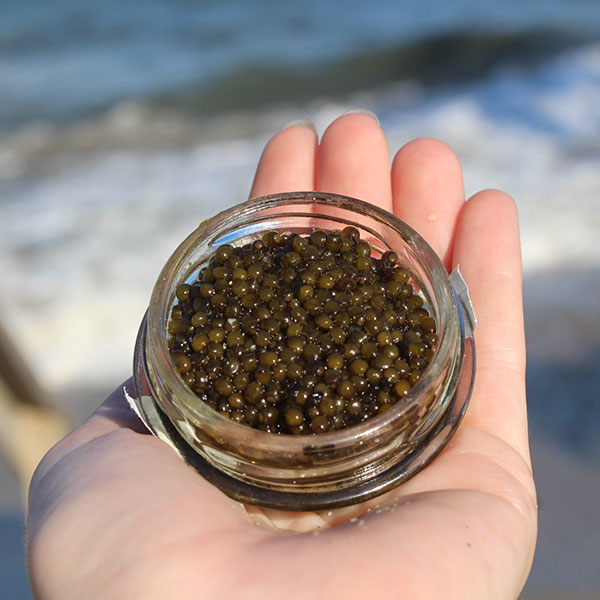
Each original tin holds the eggs of an individual sturgeon. Caviar should never be “blended” or mixed with different fish. With the advent of aquaculture, a harvesting group of caviar-bearing sturgeon is almost always of the same age, size, & stock. They are also raised in the same conditions (water quality, temperature, etc.) and on the same diet. Biology, of course, can still play a part and make a unique “batch” per individual fish. Part of the initial grading process is to evaluate the quality and consistency of the original delivery. Rich will factor into account the size of the caviar grains (medium to large size) along with the color of the eggs, from light to dark.
By sampling the product, we are evaluating multiple factors – foremost the richness of flavor. Caviar – especially that of the Osetra sturgeon – should have a fresh, almost nutty flavor – and should be briny without being powerfully salty (“malossol” – Russian for “little salt” – is a common term used and is often on the caviar label itself.) The pleasing flavor needs to be equally offset by a firmness of egg texture – or the “pop” on the roof of the mouth – that is a traditional benchmark of superior caviar. Finally, the finish is evaluated on the palate – it should be creamy and flavorful, not bitter or “fishy.” All these factors play into the assessment of the quality grade assigned to the caviar.
by HOCAFF Team | Oct 24, 2017 | General
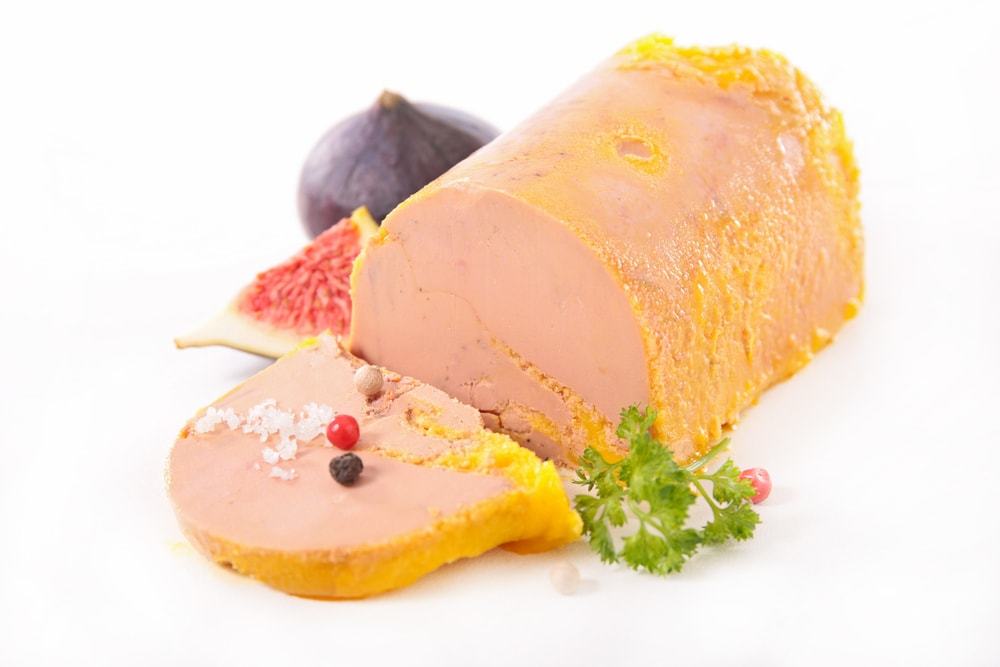
If you love the decadently rich taste of foie gras but thought it was too complicated to serve at home, you are in for a wonderful surprise. Many gourmet aficionados make the mistake of thinking the only way they can incorporate this gastronomic delight at home is as foie gras pate. Actually, foie gras is surprisingly simple to serve whether it is in its whole lobe form or prepared as a terrine or pate. Once you know how to serve foie gras, you can easily feature it as a centerpiece at all your finest gatherings. Don´t be surprised to find yourself reaching for foie gras as your favorite flavor, using it to transform everyday meals into gourmet concoctions and as a stand-alone treasure anytime you have a craving for something delicious.
Moulard duck foie gras is recommended for the richest, most refined flavor. If you are starting with fresh or frozen foie gras lobes, they need to be cooked before they can be served. Foie gras lobes store exceptionally well in the freezer, and are available in cubes, slices, or whole lobes. If using frozen foie gras, defrost in the refrigerator before preparing. Starting with foie gras lobes that are at a slightly chilled temperature, slice into portions that are approximately half an inch thick.
The high fat content of foie gras can cause it to tear or crumble when cut with a room temperature knife, so be sure to use a non-serrated blade and run it under hot water between each cut. Lightly salt and pepper slices, then sear in a hot skillet for around 30 seconds on each side, just long enough for the foie gras to develop a light brown crust.
- How to serve whole lobe foie gras
Because foie gras is so superbly rich, it should be served in portions that are no larger than a single slice. Typical foie gras accompaniments include dried fruits or nuts, or simple sauces such as honey or fig chutney. Fruity and acidic flavors enhance the rich, nutty taste of foie gras to create a harmonious whole. Arrange your foie gras slices on toasted brioche rounds, or plate the slices and drizzle with a simple sweet-and-sour sauce, such as an Asian plum sauce or cranberry sauce.
- Serving foie gras pate and terrine
When serving prepared foie gras pates or terrines, you can just slice portions directly from the mold. Ready-made foie gras has the best flavor when served slightly chilled or at room temperature. Fold slices onto toast points or country bread. Foie gras goes well with honey and fruit preserves, or you can simply serve on the toast slices. Accompany with lightly perfumed, sweet wines such as Sauternes and sweeter Rieslings.
- Where to obtain foie gras
Many grocery stores and gourmet shops only carry “shelf-stable” foie gras that had been preserved in jars or tins. Buying foie gras from the House of Caviar & Fine Foods online store allows amateur chefs and aspiring foodies to enjoy fresh, frozen, and ready-made foie gras that is flavorful and of the highest quality. For more than thirty years, we have been the online source that discerning epicureans rely on for the freshest selected caviar and foie gras, as well as specialty meats, seafood, truffles, and other gourmet foods from all over the world. Follow House of Caviar and Fine foods online on our Facebook page for more foie gras serving suggestions, gourmet recipes, and more.

by HOCAFF Team | Mar 9, 2017 | General
Bemka House of Caviar has been supplying and working the world’s best chefs for over 30 years such as Chef Daniel Boulud from restaurant Daniel.
by HOCAFF Team | Feb 28, 2017 | General
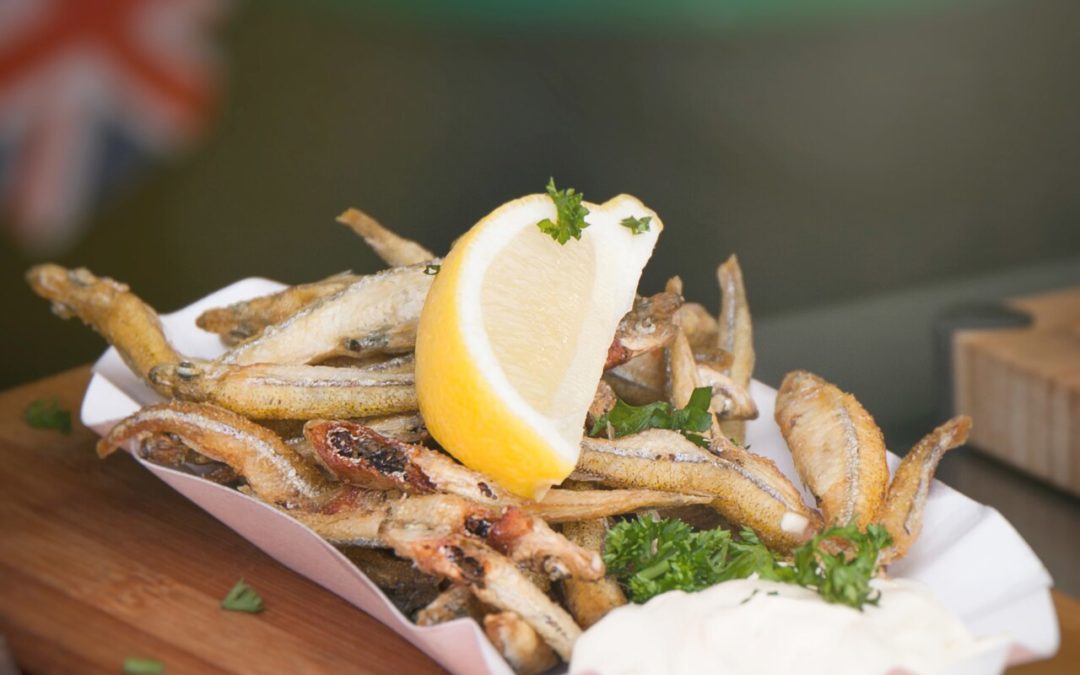
Whether its pan fried and served on a bed of satiny greens or boosting the flavor of braised lamb, there’s a definite shift in the culinary role of the humble anchovy. Even though this fish has long been revered as a delicacy in Spain, the versatility of anchovies has only recently become a chef’s favorite. As it finally assumes its place as an integral player in the fine dining experience, anchovies health benefits are also finding their way into the spotlight.
The Anchovy is an oily forage fish from the engraulidae family. There are at least 144 known anchovy species that play a significant ecological role as an important food source for other marine life and some birds. Although they are found in various regions of the world their preferred habitat is in temperate waters. Anchovies are particularly abundant in the Mediterranean seas and on the coast of Africa. They also thrive in the shallow, brackish waters of estuaries and bays.
Anchovies Nutrition
As a nutritionally dense food source, anchovies health benefits are innumerable. For instance:
- The large polyunsaturated fat content in anchovies is helpful in reducing the presence of Low-Density Lipoprotein Cholesterol (LDL) often referred to as “bad” cholesterol. Studies show the high levels of Omega-3 fatty acid, found in anchovies work by stripping away LDL which prevent it from adhering to arterial walls and aid in its elimination from the body.
- The meaty flesh of anchovies is also loaded with proteins that are beneficial to the efficient functioning of cell metabolism. This is imperative to connective tissue repair and regrowth.
- Anchovies nutrition also make them a good source of vitamins and minerals such as calcium, folate, iron, magnesium, niacin, riboflavin, selenium, thiamin, zinc and vitamins A, C D, E, K, B6, and B12.
- Anchovies health benefits has also been touted by some for aiding in weight loss. It is said to enhance ocular health by providing protection against cataracts and macular degeneration. In some studies, it is also shown to ease the pain of rheumatoid arthritis, promote cardiovascular health, build strong bones that reduce the effects of osteoporosis, prevent premature aging and lower the risk of skin cancer.
By incorporating this beneficial food into your diet through the increasing number of anchovy recipes that are available today can only help to boost your body’s healing properties.
Whether you are using marinated white anchovies on toast or as an accompaniment to herb rubbed broiled potatoes, buying a quality product can only enhance the flavor profile of your recipes. For many chefs, the salinity of the tender meat of anchovies are the reason they deliver such a flavor punch. You can enjoy them as a stand-alone dish or paired with everything from tomatoes, dips, dressings, salads, meat, sauces, stews and even sandwiches to name a few. The unexpected appearance of anchovies add dimension and another layer of flavor to so many recipes that keeping the anchovies secret is getting to be a challenge for both professional chefs and homebased cooks. Also, the introduction of Tapas cuisine has heightened attention to this formerly overlooked fare that is credited with the transition of anchovies as a popular street food.
Now that the anchovies health benefits and versatility is in the open, it may be time to consider using this valuable food to add an extra punch of flavor to more of your everyday dishes. To learn more about our exquisite marinated white anchovy fillets with garlic and parsley and other gourmet offerings visit our House of Caviar and Fine Foods online store. We invite you to try our wide selection of specialty meats, caviar and fish roe that will appease every palate and budget. We also provide an array of gourmet accessories and gift baskets. To find more decadent recipes or for gift ideas, caviar recipes and tips on how to add these delicacies into your diet, join us on the House of Caviar and Fine Foods Facebook page.
by HOCAFF Team | Feb 27, 2017 | General
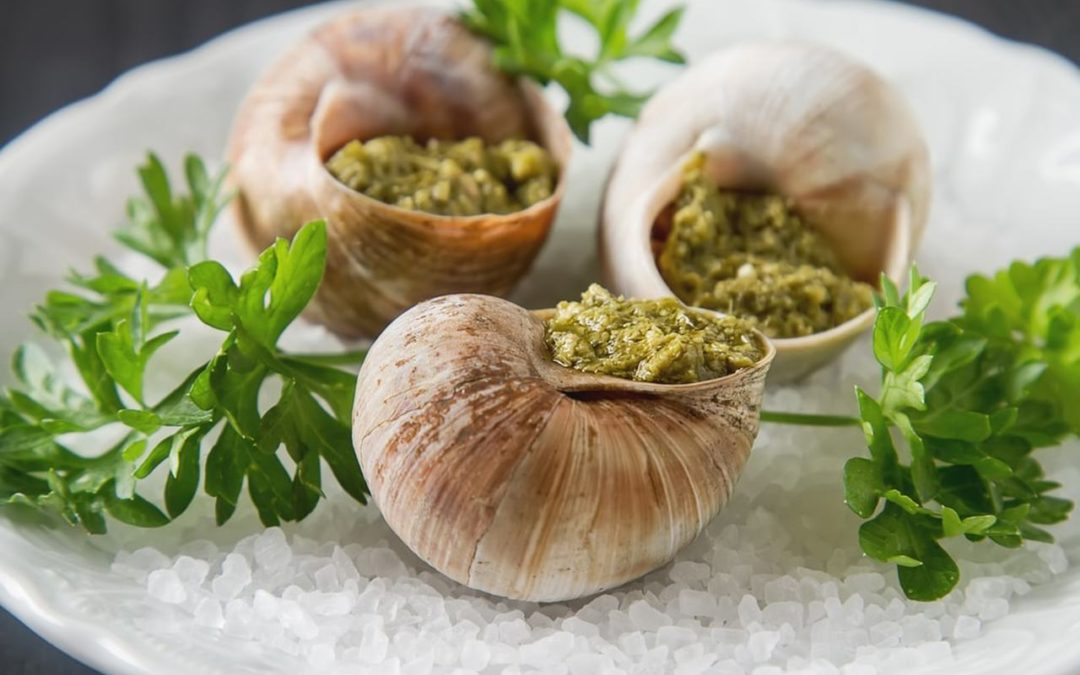
For many epicureans, the clean woodsy essence of edible snails smothered in rich cognac and garlic infused herb butter is a favorite escargot recipe and the only way to start a luxurious dining experience. But while Escargots à la Bourguignonne is a timeless and popular starter, it is just one of many scrumptious ways to enjoy this delicacy.
For those who may wish to go on an escargot culinary adventure, here are a couple decadent escargot recipes that you may not have tried out as yet.
Bucatini with Snails, Guanciale and Anchovies
Anchovies are all the rage right now so it’s not surprising that the Tasting Table chefs found a way to
pair it with Wild Burgundy Escargot. This escargot recipe provides a unique take on a playful cuisine
for a total of 45 minutes from prep time to plating. For this escargot recipe, you will need the following ingredients:
⅓ cup fresh breadcrumbs, 2 tablespoons extra-virgin olive oil,
2 ounces thinly sliced guanciale or pancetta, ½ cup finely chopped onion, 1 tablespoon extra-virgin olive oil, 4 garlic cloves, minced
8 oil-packed anchovy fillets drained and smashed into a paste,
½ teaspoon crushed red pepper flakes, 1 can crushed tomatoes,
1 (4.3-ounce) can large Wild Burgundy snails drained,
1 pound bucatini, 1 teaspoon lemon zest, ¼ cup torn basil leaves
¼ cup finely grated Pecorino Romano
Prepare this play on classic “amatriciana” by preheating the oven to 350°. Lightly toss the bread-crumbs with two tablespoons of olive oil then transfer to a baking sheet. Let toast, tossing periodically until the crumbs are golden in color. Remove from the oven and set aside.
Begin making the sauce by first putting a large pot of salted water to boil. In the meantime, on medium flame, heat a large skillet and sauté the guanciale (an Italian cured meat) until crispy. Toss in 1 tablespoon olive oil, onions to cook until the onions are nearly translucent. Add the anchovy paste garlic and red pepper flakes. Cook for about a minute. Incorporate the tomatoes, lower the heat and simmer until the sauce thickens before adding the escargot. Heat through for approximately three minutes.
Once the sauce is ready, turn off the heat and start adding the pasta to the boiling water. Cook the pasta till ad dente, then drain but retain one cup of the pasta water. Combine the pasta and escargot sauce mixture. Gently toss. Use a splash of the left over past water to loosen up the dish if it seems a bit dry. Finish with a zesting of lemon and basil sprigs.
Serving Tip: Pile in bowls and top with grated Pecorino and the toasted breadcrumbs. Serve with crusty bread on the side.
Wild Helix Escargot Quiche Replace boring scrambled eggs for breakfast or brunch with a wild helix escargot quiche. The flavor and texture of escargots that has been simmered in aromatic bouillon will most likely make you rethink what you’ve been having for Sunday morning breakfast. The best part is that escargot is packed with nutrients and also a low-card, 100% natural breakfast alternative.
This photo of Rouge is courtesy of TripAdvisor”>You can make this innovative escargot recipe from start to finish in about 45 minutes. For an extra flavorful version of this escargot recipe you will need the following ingredients to make two 9” pies:
Filling:
1 Helix12 pcs IQF Escargot sliced, 3 medium shallots diced, 8 ounces mushrooms medium diced and dehydrated slowly over low heat, 4 small cloves of garlic finely chopped, 2-3 slices smoky bacon, 4 ounces fresh goat cheese, and four ounces grated gruyere, fresh chervil (picked clean)
Royale: 400 grams heavy whipping cream, 2 TBSP crème fraiche, 6 Whole Eggs, Plus 1 yolk, salt, white pepper (Sarawak), freshly grated nutmeg, paprika, and dry herbes de Provence
Quiche Crusts 11 tbsp of unsalted butter, 3 large eggs, 4 tbsp water, 2 cups sifted flour and a pinch of salt.
In a food processor add 9 tablespoons of unsalted butter and blend until airy and smooth. Add one egg and blend then add the water and blend. Gradually incorporate 2 cups of sifted flour and a pinch salt then blend. Place on a sheet of wax paper and form into a ball. Cover with wax paper and press gently into a flattened circle approximately an inch thick. Cover with plastic and refrigerate for at least one hour.
Heat oven to 350 degrees. While oven is heating, cut bacon into 1 inch squares and render over low heat until crispy. Set aside on paper towel and reserve the bacon fat. Sauté the shallots and garlic in about two tablespoons of the bacon fat. Add snails and mushrooms and toss then let cool.
For the Royale, whisk together 6 whole eggs plus one egg yolk and gradually add heavy whipping cream, crème fraiche and blend. Add salt, white pepper (Sarawak), freshly grated nutmeg, paprika, and dry herbes de Provence.
Liberally brush chilled quiche molds with remaining melted butter. Dust with flour then roll dough to fit quiche molds, perhaps 1/8-inch thickness. Press into mold. pierce well using fork tines. Par-bake dough for a few minutes until it turns white. Briskly brush the inside of the crust, bottom and sides with egg wash. Bake for two more minutes or until egg wash has dried.
Pour the filling evenly between the quiche crusts. Add chervil then sprinkle with both cheeses. Pour Royale to fill, to within 1/4 inch of the top. Bake until golden brown and puffy, allow to cool for a few minutes before serving.
Serving Tip: Serve room-temperature or warmed with tomato slices.
What Does Escargot Taste Like?
Much like any other food, taste is relative to the individual palate. As such there are a variety of opinions regarding the flavor profile of escargot. For instance some say they have an earthy flavor like mushrooms. Others swear they taste exactly like scallop or some other form of seafood and still there are those who say they have a poultry texture and flavor. The best way to determine what escargot taste like however, is to explore this fascinating cuisine for yourself.
Try out these and other escargot recipes and visit our House of Caviar and Fine Foods online store for a convenient resource for all your gourmet foods. We also offer the freshest, best quality escargot, caviar, fish roe, foie gras, truffles and a number of other specialty foods, gourmet accessories, and gourmet gift baskets. Also, to learn more about this decadently delicious cuisine or for gift ideas, recipes and tips on how to eat caviar take a look at House of Caviar and Fine Foods Facebook page.
